


If you are a Belgrader, you have walked through Taš at least once, sat in the “Šansa” restaurant, or watched a sports event from the Tašmajdan stands. Did you know that at that very moment, several meters below you, lies a cave thousands of years old? Tašmajdan Park is located in the heart of the Serbian capital, between Takovska, Ilije Garašanina, Beogradska streets, and King Alexander Boulevard. “Taš” and “majdan” are Turkish words for stone and mine/quarry, so the name translates to “stone quarry”.
According to an old account, “it can freely be said that all old structures in Belgrade were built with stone excavated right here,” but Tašmajdan is significant and mysterious for other reasons too—right here, beneath the favorite park of thousands of Belgraders, lies the capital’s most famous cave.
The Tašmajdan cave complex consists of 3 main parts:
- Ancient Mine: Stone was excavated during Roman times to build ancient houses, palaces, sarcophagi, tombs, temples, and aqueducts. Under Ottoman rule, it was known as the “saltpeter cave” due to high-quality saltpeter used for gunpowder. In the 19th century, it served as a shelter against Turkish and Austro-Hungarian cannons. The main entrance is near the RTS building.
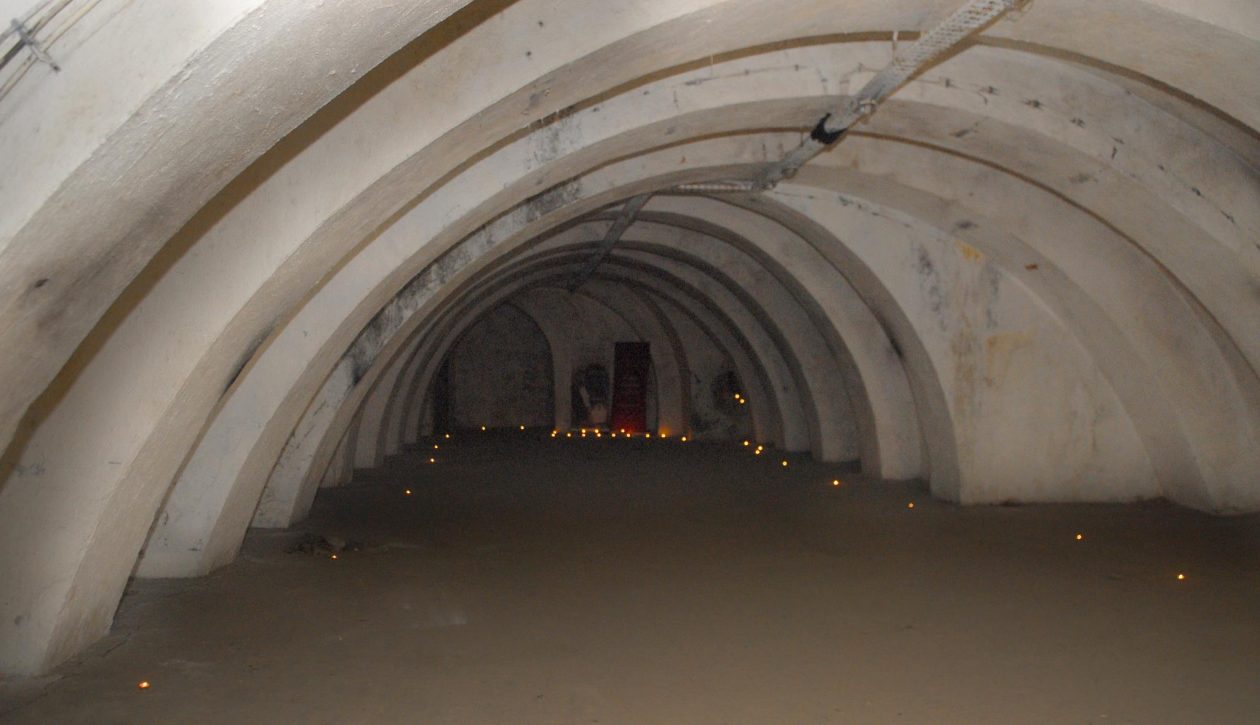
- German Shelter (“Löhr’s Cave”): Shelter for Wehrmacht General Alexander von Löhr, who initiated the April 6, 1941 bombing of Yugoslavia. Estimates suggest up to 1,000 people could stay here with enough water and food for 6 months. It is rumored that the Gestapo held notorious prisoners here.
- Natural Cave: Located beneath the “Šansa” restaurant, mentioned in the writings of Austro-Hungarian travel writer Felix Kanitz between 1860 and 1864.
Other rooms are randomly arranged beneath the pool and park; entry is prohibited. Some hallways were walled off after WWII for safety over fears of landmines. Von Löhr was eventually captured in Slovenia, though how he escaped remains a mystery.
Research stopped in 1994. It is hoped that funding will be secured to meet safety aspects for tourists in the future.